


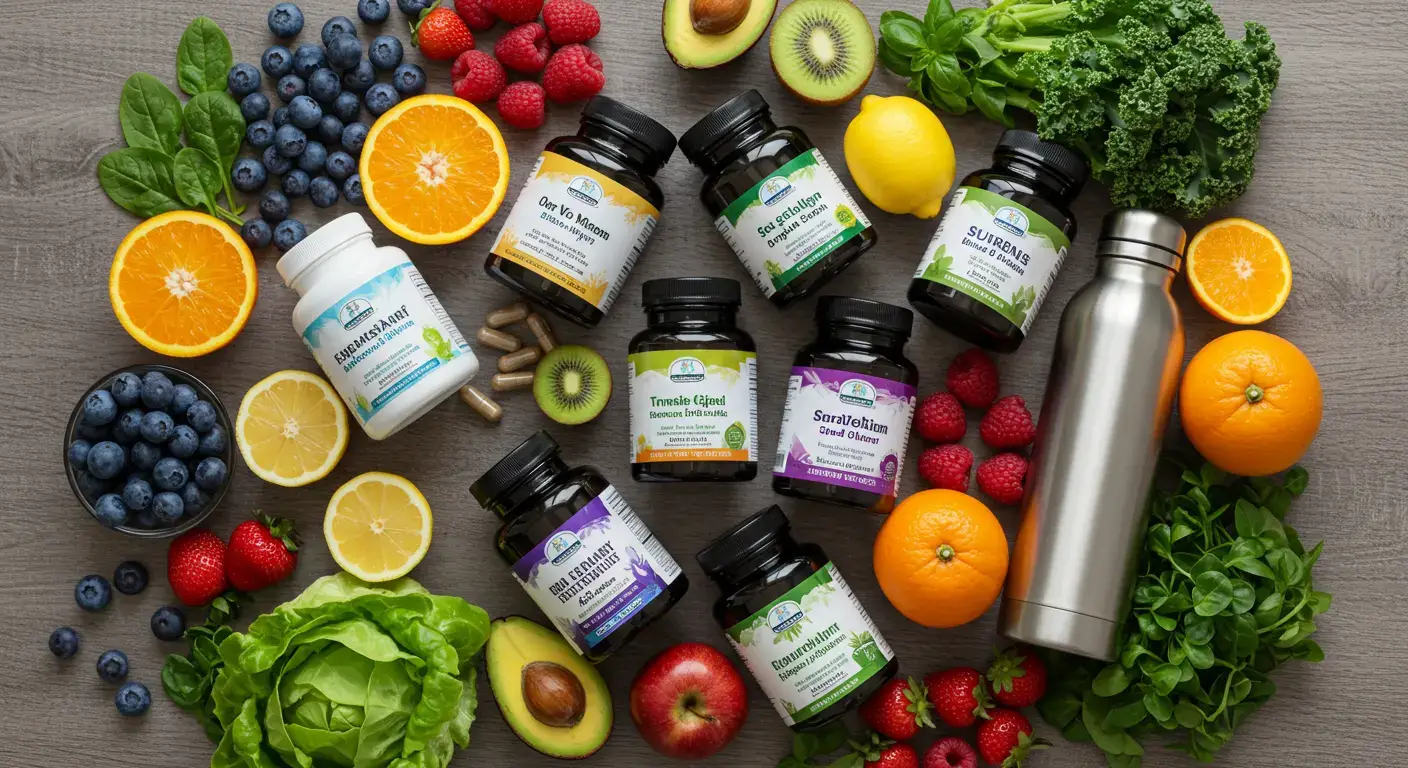
1. Vitamin D
- Why it matters: Essential for bone health, immunity, and mood regulation.
- Recommended for: People with limited sun exposure or darker skin tones.
- Benefits: Reduces risk of osteoporosis, boosts immunity, improves mood and reduces seasonal depression.
- Avoid if: You have high blood calcium levels or serious kidney problems.
- Natural sources: Sunlight (10–20 minutes/day), fatty fish (salmon, sardines), egg yolks, mushrooms.
2. Omega-3 Fatty Acids (Fish Oil)
- Why it matters: Supports heart health, brain function, and reduces inflammation.
- Recommended for: People who don’t eat fatty fish regularly.
- Benefits: Lowers bad cholesterol, supports memory and focus, reduces joint pain.
- Avoid if: You are on blood thinners (e.g., warfarin) without medical supervision.
- Natural sources: Salmon, mackerel, tuna, flaxseeds, walnuts, chia seeds.
3. Magnesium
- Why it matters: Crucial for muscle function, sleep, and stress management.
- Recommended for: Athletes, stressed individuals, or people with muscle cramps/migraines.
- Benefits: Relaxes muscles, improves sleep, reduces anxiety.
- Avoid if: You have kidney failure (can lead to magnesium buildup).
- Natural sources: Spinach, avocado, bananas, almonds, pumpkin seeds, cashews.
4. Probiotics
- Why it matters: Boosts gut health, digestion, and immunity.
- Recommended for: People with bloating, constipation, irregular digestion, or after antibiotics.
- Benefits: Restores healthy gut bacteria, reduces IBS symptoms, enhances nutrient absorption.
- Avoid if: You have severely weakened immunity (e.g., cancer patients on chemotherapy).
- Natural sources: Yogurt, kefir, pickles, kimchi, kombucha.
5. Vitamin B12
- Why it matters: Needed for energy production, brain function, and red blood cell formation.
- Recommended for: Vegans, vegetarians, and older adults.
- Benefits: Prevents pernicious anemia, boosts energy, protects memory and nerves.
- Avoid if: You have rare cobalt allergies.
- Natural sources: Red meat, liver, fish, milk, eggs.
6. Multivitamins
- Why it matters: Covers general nutritional gaps in the daily diet.
- Recommended for: Busy individuals, picky eaters, or people on restricted diets.
- Benefits: Provides essential vitamins (A, C, E, D) and minerals (iron, zinc).
- Avoid if: Overused—may cause vitamin toxicity (especially A and D).
- Natural sources: A diverse diet with leafy greens, colorful fruits, nuts, and whole grains.
7. Zinc
- Why it matters: Supports immunity, skin health, and wound healing.
- Recommended for: People with frequent infections or skin issues.
- Benefits: Shortens cold duration, boosts fertility, supports wound healing.
- Avoid if: Taken in excess (over 40 mg/day)—may cause nausea, appetite loss, and immune suppression.
- Natural sources: Pumpkin seeds, red meat, legumes, cashews, chickpeas.
8. Protein Powder (Whey or Plant-Based)
- Why it matters: Builds muscle, supports metabolism, and increases satiety.
- Recommended for: Athletes, older adults with muscle loss, or those with low protein intake.
- Benefits: Aids post-workout recovery, preserves muscle during dieting.
- Avoid if: You have advanced kidney or liver disease (unless prescribed).
- Natural sources: Meat, chicken, fish, eggs, legumes.
9. Curcumin (Turmeric Extract)
- Why it matters: Natural anti-inflammatory and antioxidant.
- Recommended for: People with joint pain, chronic inflammation, or high stress.
- Benefits: Reduces arthritis pain, protects brain health, fights free radicals.
- Avoid if: You have gallstones or are on blood thinners.
- Natural sources: Fresh or ground turmeric (better absorbed with black pepper).
10. Fiber (Psyllium Husk, Inulin)
- Why it matters: Supports digestion, bowel regularity, and heart health.
- Recommended for: Low-fiber diets or people with constipation.
- Benefits: Lowers cholesterol, improves satiety, regulates blood sugar.
- Avoid if: You have intestinal obstruction or severe digestive disorders.
- Natural sources: Apples, pears, oats, lentils, beans, flaxseeds, leafy vegetables.
📌 Takeaway:
- Supplements are not a replacement for a balanced diet, but they can help fill gaps.
- Always consult a doctor before starting, especially if you have chronic conditions or take medications.





Related Articles
Health
Top 10 Natural Foods to Reduce Bad Cholesterol (LDL) in 2025: Science-Backed Heart Health Guide
Last updated: September 21, 2025 High cholesterol affects over 94 million American...



Health
Top 10 Best Anti-Aging Skincare Products That Actually Work in 2025: Dermatologist-Approved Guide
Last updated: September 21, 2025 The anti-aging skincare industry is flooded with...

Leave a comment