

Top 10 Natural Foods to Reduce Bad Cholesterol (LDL) in 2025: Science-Backed Heart Health Guide
 ahsanadminSeptember 22, 202514 Mins read
Last updated: September 21, 2025
High cholesterol affects over 94 million American adults, making it one of the most pressing health concerns of our time. The good news? You can significantly reduce your bad cholesterol (LDL) naturally through the power of food. This comprehensive guide reveals the top 10 scientifically-proven foods that can help lower your cholesterol levels, improve heart health, and potentially save your life.
Based on the latest research from Harvard Health, Mayo Clinic, and leading cardiologists, these natural cholesterol-busters can reduce LDL cholesterol by 5-30% when incorporated into a heart-healthy lifestyle. From fiber-rich oats to omega-3 packed salmon, discover how simple dietary changes can make a profound impact on your cardiovascular health.
Understanding Cholesterol: The Good, The Bad, and The Essential
What is LDL (Bad) Cholesterol?
Low-density lipoprotein (LDL) cholesterol is often called “bad” cholesterol because it carries cholesterol particles throughout your body, depositing them in artery walls where they can build up and form dangerous plaques. This process, called atherosclerosis, narrows arteries and increases your risk of heart attack and stroke.
Optimal Cholesterol Levels (2025 Guidelines)
- Total Cholesterol: Less than 200 mg/dL
- LDL Cholesterol: Less than 100 mg/dL (optimal), less than 70 mg/dL (very high risk patients)
- HDL Cholesterol: 40 mg/dL or higher (men), 50 mg/dL or higher (women)
- Triglycerides: Less than 150 mg/dL
How Food Can Lower Cholesterol
Natural foods lower cholesterol through several mechanisms:
- Soluble Fiber: Binds to cholesterol in the digestive system
- Plant Sterols: Block cholesterol absorption in the intestines
- Omega-3 Fatty Acids: Reduce inflammation and triglycerides
- Antioxidants: Prevent LDL oxidation and arterial damage
🏆 Top 10 Natural Foods to Reduce Bad Cholesterol
1. Oats and Whole Grains ⭐⭐⭐⭐⭐ (9.8/10)
Cholesterol Reduction: 5-10% LDL reduction | Key Nutrient: Beta-Glucan | Daily Serving: 1 cup cooked oatmeal
Oats and barley are grains which are rich in a type of fibre called beta glucan. Eating 3g of beta-glucan a day as part of a healthy diet and lifestyle can help to lower cholesterol. Barley, oatmeal and brown rice have lots of soluble fiber, which has been proven to lower LDL cholesterol by reducing the absorption of cholesterol into your bloodstream.
Why They’re #1: Oats contain the highest concentration of beta-glucan, a soluble fiber that forms a gel-like substance in your digestive tract. This gel binds to cholesterol-rich bile acids, forcing your liver to use existing cholesterol to make more bile acids, thereby lowering blood cholesterol levels.
Scientific Evidence:
- Multiple studies show 3g of beta-glucan daily can reduce LDL cholesterol by 5-10%
- FDA approved health claim for oats reducing heart disease risk
- Research published in the American Journal of Clinical Nutrition confirms consistent benefits
Best Sources:
- Steel-cut oats: Highest fiber content, less processed
- Old-fashioned oats: Great balance of convenience and nutrition
- Oat bran: Concentrated source of beta-glucan
- Barley: Another excellent beta-glucan source
- Brown rice: Whole grain alternative with fiber benefits
How to Incorporate:
- Start your day with a bowl of oatmeal topped with berries and nuts
- Add oat bran to smoothies for extra fiber
- Replace white rice with brown rice or barley
- Use oat flour in baking recipes
- Try overnight oats for a convenient breakfast option
Buying Tips:
- Choose steel-cut or old-fashioned oats over instant varieties
- Look for “100% whole grain” labels
- Avoid flavored oats with added sugars
- Buy in bulk for better value
Where to Buy:
- Amazon – Wide selection and bulk options
- Costco – Excellent bulk pricing on organic oats
- Whole Foods – High-quality organic and steel-cut varieties
- Local grocery stores – Quaker, Bob’s Red Mill brands
2. Fatty Fish (Salmon, Mackerel, Sardines) ⭐⭐⭐⭐⭐ (9.7/10)
Cholesterol Reduction: 8-15% LDL reduction | Key Nutrient: Omega-3 Fatty Acids | Daily Serving: 3.5 oz, 2-3 times per week
Eating cold-water fish such as salmon twice a week can lower LDL by replacing meat and delivering healthy omega-3 fats. Omega-3 fatty acids are special fats that can lower LDL and triglyceride levels.
Why They’re Essential: Fatty fish provide the highest concentration of EPA and DHA omega-3 fatty acids, which not only lower LDL cholesterol but also reduce triglycerides, decrease inflammation, and protect against heart rhythm abnormalities.
Scientific Evidence:
- American Heart Association recommends 2 servings of fatty fish per week
- Studies show omega-3s reduce triglycerides by 15-30%
- Research indicates 1g daily of EPA/DHA can reduce cardiovascular events by 25%
Top Omega-3 Fish Options:
- Wild Alaskan Salmon: 1,500-2,300mg omega-3 per serving
- Mackerel: 1,800-2,300mg omega-3 per serving
- Sardines: 1,100-1,600mg omega-3 per serving
- Anchovies: 1,400-2,000mg omega-3 per serving
- Herring: 1,200-1,800mg omega-3 per serving
Preparation Methods:
- Grilled or Baked: Preserves omega-3 content without added fats
- Poached: Gentle cooking method that retains nutrients
- Canned (in water): Convenient, affordable option
- Smoked: Moderate consumption due to sodium content
Sustainability Considerations:
- Choose wild-caught over farmed when possible
- Look for MSC (Marine Stewardship Council) certification
- Consider smaller fish (sardines, anchovies) for lower mercury content
- Rotate fish varieties to minimize environmental impact
Where to Buy:
- Costco – High-quality frozen wild salmon fillets
- Whole Foods – Fresh, sustainably sourced options
- Local fish markets – Freshest selections
- Amazon Fresh – Convenient delivery of frozen options
- Trader Joe’s – Affordable canned fish varieties
3. Nuts and Seeds ⭐⭐⭐⭐⭐ (9.6/10)
Cholesterol Reduction: 5-15% LDL reduction | Key Nutrients: Monounsaturated fats, fiber, plant sterols | Daily Serving: 1-2 ounces (handful)
A bushel of studies shows that eating almonds, walnuts, peanuts, and other nuts is good for the heart. Eating 2 ounces of nuts a day can slightly lower LDL, on the order of 5%. Not only are they loaded with flavor, but you’ll feel full thanks to fiber and protein, and they help reduce LDL cholesterol with their healthy fats.
Why They’re Powerful: Nuts combine multiple cholesterol-fighting compounds: monounsaturated fats that lower LDL, fiber that binds cholesterol, plant sterols that block absorption, and antioxidants that prevent LDL oxidation.
Top Cholesterol-Fighting Nuts:
- Walnuts: Highest omega-3 content among nuts (ALA)
- Almonds: Rich in vitamin E and monounsaturated fats
- Pistachios: High in plant sterols and fiber
- Pecans: Loaded with antioxidants and healthy fats
- Hazelnuts: Good source of folate and vitamin E
Seed Superstars:
- Flaxseeds: Rich in omega-3 ALA and lignans
- Chia seeds: Complete protein plus omega-3s
- Pumpkin seeds: High in magnesium and zinc
- Sunflower seeds: Vitamin E and healthy fats
Portion Control Tips:
- Use a small handful (1 oz) as a serving size
- Pre-portion nuts to avoid overeating
- Choose raw or dry-roasted over oil-roasted
- Incorporate into meals rather than snacking freely
Creative Ways to Enjoy:
- Add chopped nuts to oatmeal or yogurt
- Use as salad toppers for crunch
- Make homemade trail mix with dried fruit
- Blend into smoothies for creaminess
- Use nut butters (natural, no added sugar)
Where to Buy:
- Costco – Excellent bulk pricing on mixed nuts
- Trader Joe’s – Unique varieties and good value
- Amazon – Subscription options for regular delivery
- Local farmers markets – Fresh, local options
- Whole Foods – Organic and specialty varieties
4. Legumes (Beans, Lentils, Peas) ⭐⭐⭐⭐⭐ (9.5/10)
Cholesterol Reduction: 5-8% LDL reduction | Key Nutrient: Soluble fiber, plant protein | Daily Serving: 1/2 cup cooked
Research in The Journal of Nutrition found that eating a daily serving of legumes (including beans, peanuts, lentils, and peas) could lower both LDL and total cholesterol levels in people with high cholesterol.
Why They’re Cholesterol Champions: Legumes are nutritional powerhouses packed with soluble fiber, plant-based protein, and compounds that actively work to reduce cholesterol absorption and production. They’re also incredibly filling, helping you eat less cholesterol-raising foods.
Top Cholesterol-Fighting Legumes:
- Black beans: 15g fiber per cup, rich in antioxidants
- Chickpeas: Versatile, high in protein and fiber
- Lentils: Quick-cooking, packed with folate
- Navy beans: Highest fiber content among beans
- Kidney beans: Rich in potassium and iron
Scientific Benefits:
- Meta-analysis shows legumes reduce LDL cholesterol by average 5%
- High fiber content helps remove bile acids
- Plant proteins may help regulate cholesterol synthesis
- Low glycemic index helps control blood sugar
Easy Preparation Methods:
- Canned beans: Rinse to reduce sodium, ready to use
- Dried beans: More economical, cook in batches and freeze
- Lentils: No soaking required, cook in 20-30 minutes
- Pressure cooking: Reduces cooking time significantly
Delicious Ways to Eat More:
- Add to soups and stews for protein and fiber
- Make bean-based salads for lunch
- Use chickpea flour for gluten-free baking
- Create veggie burgers with black beans
- Blend white beans into smoothies for creaminess
Where to Buy:
- Costco – Large bags of dried beans at great prices
- Amazon – Bulk organic options and variety packs
- Local grocery stores – Canned varieties for convenience
- Health food stores – Specialty and heirloom varieties
- Indian/Middle Eastern markets – Wide selection of lentils and legumes
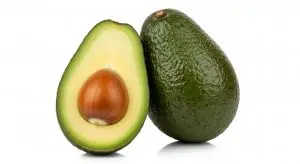
5. Avocados ⭐⭐⭐⭐⭐ (9.4/10)
Cholesterol Reduction: 10-15% LDL reduction | Key Nutrients: Monounsaturated fats, fiber, potassium | Daily Serving: 1/2 to 1 medium avocado
Why They’re Heart Heroes: Avocados are unique fruits loaded with monounsaturated fats that specifically target LDL cholesterol while raising beneficial HDL cholesterol. They also provide fiber, potassium, and antioxidants that support overall cardiovascular health.
Scientific Evidence:
- Penn State study showed eating one avocado daily reduced LDL cholesterol by 13.5mg/dL
- Research in Journal of Nutrition found avocados improve overall diet quality
- Studies indicate avocados may reduce small, dense LDL particles (most dangerous type)

Nutritional Profile (1/2 avocado):
- Calories: 160
- Monounsaturated fat: 10g
- Fiber: 7g
- Potassium: 345mg
- Folate: 60mcg
Selection and Storage Tips:
- Choose avocados that yield slightly to pressure
- Ripen hard avocados in brown paper bag with banana
- Store ripe avocados in refrigerator for 2-3 days
- Prevent browning with lemon or lime juice
Versatile Uses:
- Breakfast: Avocado toast with whole grain bread
- Salads: Creamy addition without dairy
- Smoothies: Creates rich, creamy texture
- Guacamole: Healthy dip with vegetables
- Substitution: Replace butter/mayo in sandwiches
Where to Buy:
- Costco – Bags of avocados at bulk pricing
- Local grocery stores – Individual selection for ripeness
- Mexican markets – Often fresher and less expensive
- Whole Foods – Organic varieties available
- Farmers markets – Seasonal, local options
6. Olive Oil (Extra Virgin) ⭐⭐⭐⭐⭐ (9.3/10)
Cholesterol Reduction: 8-12% LDL reduction | Key Nutrients: Monounsaturated fats, antioxidants | Daily Serving: 2-3 tablespoons
Why It’s Liquid Gold: Extra virgin olive oil contains powerful monounsaturated fats and antioxidants that lower LDL cholesterol while protecting it from oxidation. The Mediterranean diet’s heart-protective benefits are largely attributed to olive oil consumption.
Scientific Evidence:
- PREDIMED study showed Mediterranean diet with olive oil reduced cardiovascular events by 30%
- Research indicates 2 tablespoons daily can reduce LDL cholesterol by 8%
- Antioxidants in olive oil prevent LDL oxidation, reducing arterial damage
Quality Indicators:
- Extra Virgin: Cold-pressed, highest antioxidant content
- Harvest Date: Look for recent harvest (within 18 months)
- Dark Bottle: Protects oil from light degradation
- Origin: Single-source oils often higher quality
Storage and Usage:
- Store in cool, dark place away from heat and light
- Use within 6 months of opening for best quality
- Don’t heat above 375°F to preserve antioxidants
- Drizzle on finished dishes to maximize benefits
Best Uses for Heart Health:
- Salad dressings: Combine with vinegar and herbs
- Cooking: Medium-heat sautéing and roasting
- Finishing oil: Drizzle on cooked vegetables
- Dipping: With herbs for bread alternative
- Marinades: For fish and vegetables
Where to Buy:
- Costco – Kirkland organic extra virgin at great value
- Trader Joe’s – Affordable California estate varieties
- Whole Foods – Premium single-origin options
- Online specialty stores – Direct from producers
- Mediterranean markets – Authentic imported varieties
7. Apples and Citrus Fruits ⭐⭐⭐⭐ (9.2/10)
Cholesterol Reduction: 5-8% LDL reduction | Key Nutrients: Soluble fiber (pectin), antioxidants | Daily Serving: 1-2 medium fruits
Fruit and vegetables contain both insoluble and soluble fibre which makes them a great choice that could also help to reduce your cholesterol levels.
Why They’re Cholesterol Crushers: Apples and citrus fruits are rich in pectin, a soluble fiber that binds to cholesterol in the digestive tract. They also provide flavonoids and vitamin C that protect against LDL oxidation and support overall heart health.
Top Cholesterol-Fighting Fruits:
- Apples: High pectin content, especially in skin
- Oranges: Pectin plus heart-protective hesperidin
- Grapefruits: Pectin and naringenin for cholesterol reduction
- Lemons/Limes: Vitamin C and citrus flavonoids
- Pears: Similar pectin content to apples
Scientific Evidence:
- Florida study showed grapefruit pectin reduced cholesterol by 7.6%
- Apple consumption linked to 23% lower risk of heart disease
- Citrus flavonoids shown to improve HDL/LDL ratio
Maximizing Benefits:
- Eat whole fruits: More fiber than juices
- Include peels: Apple and citrus peels highest in pectin
- Choose variety: Different fruits provide different antioxidants
- Fresh over processed: Higher nutrient content
Smart Snacking:
- Replace high-sugar snacks with fresh fruit
- Add sliced apples to salads for crunch
- Use citrus zest in cooking for extra flavor
- Make fruit salads with mixed varieties
- Freeze grapes for a cool, sweet treat
Where to Buy:
- Local orchards – Freshest seasonal options
- Farmers markets – Variety and quality
- Costco – Bulk organic options
- Regular grocery stores – Year-round availability
- CSA boxes – Seasonal variety delivered
8. Dark Leafy Greens ⭐⭐⭐⭐ (9.1/10)
Cholesterol Reduction: 4-7% LDL reduction | Key Nutrients: Fiber, antioxidants, nitrates | Daily Serving: 2-3 cups raw or 1 cup cooked
Why They’re Green Gold: Dark leafy greens provide soluble fiber, antioxidants, and unique compounds that support cholesterol metabolism and overall cardiovascular health. They’re also naturally low in calories and high in essential nutrients.
Cholesterol-Fighting Champions:
- Spinach: High in lutein and folate
- Kale: Packed with antioxidants and fiber
- Collard Greens: Excellent source of calcium and fiber
- Swiss Chard: Rich in potassium and magnesium
- Arugula: Peppery flavor with heart-protective compounds
Scientific Benefits:
- Lutein in leafy greens may prevent LDL oxidation
- Nitrates support healthy blood pressure
- Folate helps reduce homocysteine levels
- Fiber aids in cholesterol elimination
Preparation Tips:
- Raw: Maximize nutrient content in salads
- Steamed: Quick cooking preserves nutrients
- Sautéed: With garlic and olive oil for flavor
- Smoothies: Blend with fruits to mask taste
- Soups: Add to broths and stews
Storage and Selection:
- Choose bright, unwilted leaves
- Store in refrigerator crisper drawer
- Wash just before using to prevent spoilage
- Buy organic when possible (high pesticide residue)
Where to Buy:
- Farmers markets – Freshest, seasonal varieties
- Local grocery stores – Pre-washed convenience options
- Costco – Large containers of organic greens
- CSA subscriptions – Regular delivery of fresh greens
- Grow your own – Easy herbs and lettuce in containers
9. Green Tea ⭐⭐⭐⭐ (9.0/10)
Cholesterol Reduction: 2-5% LDL reduction | Key Nutrients: Catechins (EGCG), antioxidants | Daily Serving: 2-3 cups
Why It’s a Heart Hero: Green tea contains powerful catechins, particularly EGCG (epigallocatechin gallate), which inhibit cholesterol absorption and synthesis while providing potent antioxidant protection for the cardiovascular system.
Scientific Evidence:
- Meta-analysis of 14 studies showed green tea reduces LDL cholesterol by 2.19mg/dL
- Research indicates catechins may reduce cholesterol synthesis in liver
- Studies show regular green tea consumption linked to 31% lower risk of cardiovascular disease
Optimal Preparation:
- Water temperature: 175-185°F (not boiling)
- Steeping time: 2-3 minutes for best flavor and nutrients
- Quality matters: Choose organic, loose-leaf when possible
- Multiple infusions: Good tea can be steeped 2-3 times
Maximizing Benefits:
- Drink between meals for best absorption
- Add lemon to increase antioxidant availability
- Avoid adding milk (may bind to beneficial compounds)
- Consider matcha powder for concentrated benefits
Varieties to Try:
- Sencha: Classic Japanese green tea
- Matcha: Powdered whole leaf tea
- Gyokuro: Premium shade-grown Japanese tea
- Jasmine green: Floral-scented variety
- Decaf options: For evening consumption
Where to Buy:
- Asian markets – Authentic, high-quality teas
- Teavana/specialized tea shops – Premium varieties
- Amazon – Bulk options and subscription delivery
- Whole Foods – Organic and fair-trade options
- Local grocery stores – Convenient bagged varieties
10. Garlic ⭐⭐⭐⭐ (8.9/10)
Cholesterol Reduction: 8-12% LDL reduction | Key Nutrients: Allicin, sulfur compounds | Daily Serving: 1-2 cloves fresh or 600-900mg aged garlic extract
Why It’s Nature’s Medicine: Garlic contains sulfur compounds, particularly allicin, that may inhibit cholesterol synthesis in the liver. It also provides cardiovascular benefits through improved blood flow and reduced inflammation.
Scientific Evidence:
- Meta-analysis shows garlic supplements reduce total cholesterol by 17mg/dL
- Fresh garlic appears more effective than supplements
- Studies indicate aged garlic extract may be most beneficial form
Forms and Effectiveness:
- Fresh garlic: Crush and let sit 10 minutes before cooking to maximize allicin
- Aged garlic extract: Standardized supplements with proven benefits
- Garlic powder: Convenient but less potent than fresh
- Black garlic: Fermented form with unique compounds
Culinary Uses:
- Raw: In salad dressings and sauces (most potent)
- Sautéed: Quick cooking preserves some benefits
- Roasted: Mild, sweet flavor for vegetables
- Pickled: Fermented benefits plus probiotics
Tips for Better Tolerance:
- Start with smaller amounts and gradually increase
- Consume with food to reduce stomach irritation
- Choose aged garlic supplements if fresh causes issues
- Parsley can help reduce garlic breath
Where to Buy:
- Local grocery stores – Fresh bulbs in produce section
- Farmers markets – Seasonal, local varieties
- Amazon – Aged garlic extract supplements
- Health food stores – Organic and supplement options
- Asian markets – Black garlic and specialty varieties
📊 Creating Your Cholesterol-Lowering Meal Plan
Daily Meal Planning Template
Breakfast (Choose 1-2 cholesterol fighters):
- Bowl of oatmeal with chopped apple and walnuts
- Green tea or coffee
- Alternative: Avocado toast on whole grain bread
Lunch (Include 2-3 cholesterol fighters):
- Large salad with mixed greens, chickpeas, and olive oil dressing
- Side of berries or citrus fruit
- Green tea
Dinner (Include 2-3 cholesterol fighters):
- Grilled salmon with sautéed spinach in garlic and olive oil
- Side of brown rice or quinoa
- Alternative: Bean and vegetable soup
Snacks (1-2 cholesterol fighters):
- Handful of mixed nuts
- Apple slices
- Green tea
Weekly Meal Prep Strategies
Batch Cooking Essentials:
- Cook large batches of brown rice, quinoa, or oats
- Prep chopped vegetables for easy salad assembly
- Prepare bean-based salads or soups for the week
- Portion nuts into grab-and-go containers
Shopping List Organization:
Pantry Staples:
- Steel-cut oats, brown rice, quinoa
- Dried beans and lentils
- Extra virgin olive oil
- Nuts and seeds (almonds, walnuts, flaxseeds)
- Green tea
Fresh Weekly Items:
- Fatty fish (salmon, sardines, mackerel)
- Avocados
- Dark leafy greens
- Citrus fruits and apples
- Fresh garlic
Budget-Friendly Tips
Cost-Effective Strategies:
- Buy dried beans and lentils in bulk (much cheaper than canned)
- Purchase frozen fish when fresh is expensive
- Use seasonal fruits and vegetables
- Buy generic brands for staples like oats and brown rice
- Grow your own herbs and simple greens
Maximizing Value:
- Shop sales and stock up on non-perishables
- Use a freezer to store bulk purchases
- Choose versatile ingredients that work in multiple dishes
- Consider store brands for basic items
- Join wholesale clubs for bulk buying
🔬 The Science Behind Cholesterol Reduction
How These Foods Work
Soluble Fiber Mechanism:
- Forms gel-like substance in digestive tract
- Binds to bile acids (made from cholesterol)
- Forces liver to use more cholesterol to make new bile acids
- Results in lower blood cholesterol levels
Omega-3 Fatty Acids:
- Reduce triglyceride production in liver
- Improve HDL/LDL cholesterol ratio
- Reduce inflammation in blood vessels
- May improve insulin sensitivity
Plant Sterols:
- Structurally similar to cholesterol
- Compete for absorption in intestines
- Block dietary cholesterol uptake
- Can reduce LDL cholesterol by 6-15%
Expected Timeline for Results
Week 1-2:
- Begin incorporating cholesterol-fighting foods
- Focus on replacing high-cholesterol foods
- May experience improved energy levels
Week 4-6:
- Initial cholesterol improvements may begin
- Better digestion from increased fiber
- Possible weight loss from healthier foods
Week 8-12:
- Significant cholesterol improvements typically seen
- Blood tests may show 5-15% LDL reduction
- Overall cardiovascular health improvements
3-6 Months:
- Maximum benefits typically achieved
- Lifestyle changes become habitual
- May see 10-30% total cholesterol reduction
⚠️ Important Safety Considerations
When to Consult Healthcare Providers
See Your Doctor If:
- Total cholesterol above 240 mg/dL
- LDL cholesterol above 160 mg/dL
- Family history of heart disease
- Additional risk factors (diabetes, high blood pressure, smoking)
Medication Interactions
Foods That May Interact:
- Grapefruit: Can increase statin drug levels
- Garlic supplements: May increase bleeding risk with blood thinners
- Green tea: High amounts may affect warfarin
Monitoring Progress
Regular Testing:
- Lipid panel every 6-12 weeks initially
- Annual screenings once levels stabilize
- Track other metrics (blood pressure, weight, waist circumference)
🛒 Shopping Guide: Where to Buy Quality Foods
Online Retailers
Amazon
- Pros: Vast selection, bulk options, subscription discounts
- Best For: Non-perishable staples, supplements, specialty items
- Tips: Read reviews, check expiration dates, use Subscribe & Save
Thrive Market
- Pros: Organic foods at wholesale prices
- Best For: Health-conscious consumers wanting organic options
- Tips: Membership required, focus on pantry staples
Physical Stores
Costco/Sam’s Club
- Pros: Bulk pricing, high quality, organic options
- Best For: Large families or meal preppers
- Tips: Calculate per-unit costs, freeze extras
Whole Foods
- Pros: High quality, organic options, knowledgeable staff
- Best For: Fresh produce, specialty items
- Tips: Shop sales, use Prime member discounts
Local Farmers Markets
- Pros: Fresh, seasonal, support local agriculture
- Best For: Fruits, vegetables, nuts from local farms
- Tips: Go early for best selection, bring cash
Specialty Stores
Health Food Stores
- Pros: Specialized products, expert advice
- Best For: Supplements, organic foods, alternative products
- Tips: Ask about bulk discounts, loyalty programs
Ethnic Markets
- Pros: Authentic ingredients, competitive prices
- Best For: Specialty beans, spices, fresh produce
- Tips: Ask for preparation advice, try new varieties
💡 Lifestyle Integration Tips
Making Changes Sustainable
Start Gradually:
- Replace one unhealthy food with a cholesterol fighter each week
- Add one new recipe featuring these foods monthly
- Focus on foods you already enjoy and expand from there
Meal Planning Strategies:
- Plan weekly menus around seasonal cholesterol-fighting foods
- Prep ingredients in advance for busy weekdays
- Keep healthy backup options for unexpected schedule changes
Social Support:
- Share heart-healthy meals with family and friends
- Join cooking classes focused on heart-healthy cuisine
- Find online communities for recipe sharing and support
Overcoming Common Challenges
“I Don’t Like These Foods”:
- Start with foods you already enjoy and gradually expand
- Try different preparation methods to find what you like
- Mix disliked foods into familiar dishes initially
“It’s Too Expensive”:
- Focus on the most cost-effective options (oats, beans, seasonal produce)
- Consider the long-term healthcare cost savings
- Use generic brands and shop sales strategically
“I Don’t Have Time”:
- Use convenient options like pre-washed greens and canned beans
- Batch cook on weekends for easy weekday meals
- Keep simple backup meals on hand
🏆 Success Stories and Motivation
Real Results from Real People
Case Study 1: Sarah, 45
- Starting cholesterol: 280 mg/dL total, 180 mg/dL LDL
- Changes: Added daily oatmeal, nuts, and salmon 2x/week
- Results after 3 months: 220 mg/dL total, 140 mg/dL LDL
- “I never thought changing my breakfast could make such a difference!”





Related Articles

Top 10 Best Anti-Aging Skincare Products That Actually Work in 2025: Dermatologist-Approved Guide
Last updated: September 21, 2025 The anti-aging skincare industry is flooded with...


Top 10 supplements for healthier life
1. Vitamin D 2. Omega-3 Fatty Acids (Fish Oil) 3. Magnesium 4....

Leave a comment